Hope for my Students

On Friday, March 13, 2020 (yes, Friday the 13th) my district dismissed for a full 6 weeks, at the time of the posting of this blog post, due to the COVID-19 pandemic in California.

It feels like everyone is scrambling; everyone is sharing out resources for distance learning for teachers, Zoom is getting a ton of love these days, and parents are figuring out ways to home school their children. It’s pouring rain and we are being asked to practice social distancing measures to flatten the curve. Oh, and people are hoarding toilet paper.

It’s so easy to get sucked into the hysteria.

Our district decided that all work assigned during this school dismissal would be optional learning opportunities for students. I commend our district leadership for recognizing that equity and access might be an issue for many of our students and have made it clear that these assignments will not be used to determine grades.

With that being said, it makes it a big challenge for teachers to want to spend the time developing meaningful assignments and invest time with distance learning platforms when students know they are optional. For teachers, optional assignments mean that only a handful of students, at best, will engage with them.

I realized I had a couple of options when it came to creating these distance learning assignments. On one hand, I could just assign some review problems from their textbook and help students maintain skills; nothing wrong with this option. On the other hand I could do something to help students engage in new content; is that risky or worthwhile?

Well, I decided to do a little bit of both. Besides, if my students could learn a handful of new things on their own then maybe the 6 weeks won’t feel like such a loss in terms of instructional opportunities.

So, on the second day of our school dismissal I assigned new content for students to tinker with.


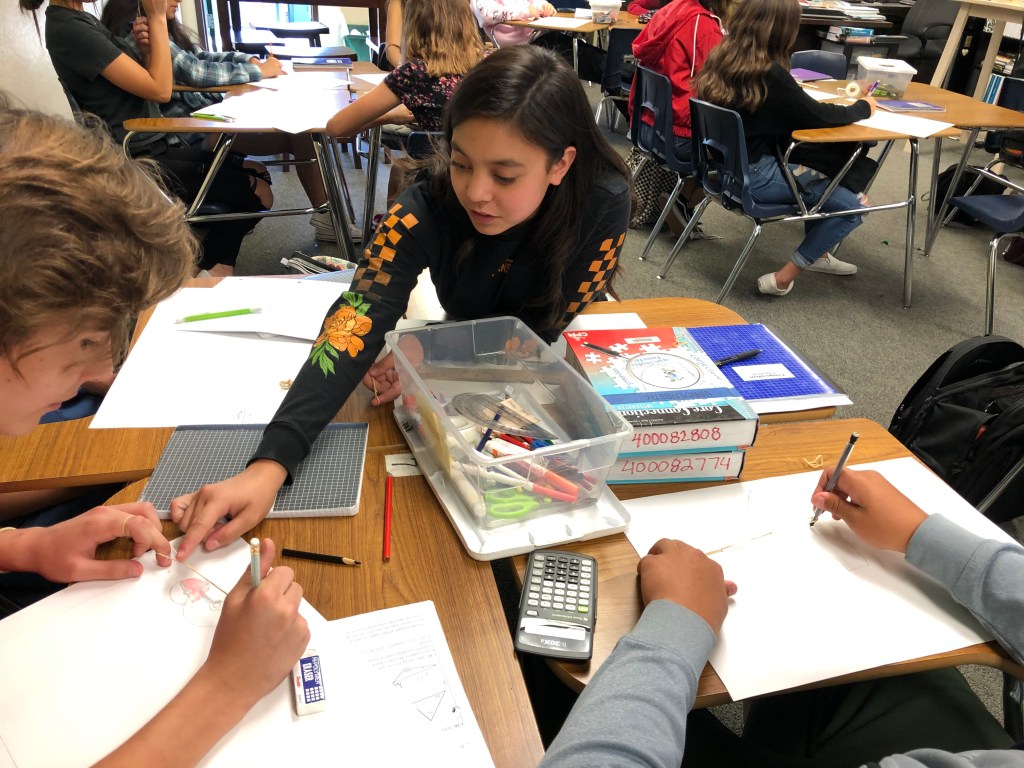
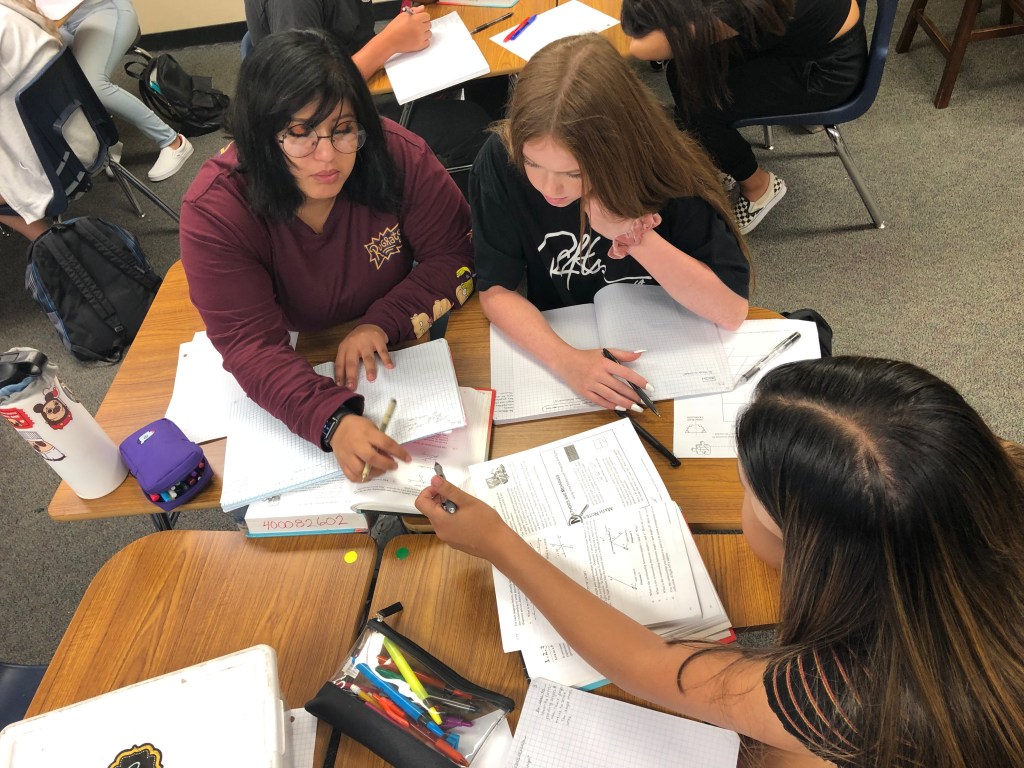
My classroom is not traditional and neither are my teaching methods. I ask my students to work collaboratively to learn math. I use guiding questions during an inquiry based lesson to lead my students to discover patterns and develop math algorithms for themselves. I rarely tell them how to do any math problem; I ask them how they think they should proceed and then give them a few suggestions or ideas so they can get started. I teach my students to take risks; that the faster they fail at a problem the sooner they’ll get to the answers they’re looking for. I’m there, answering questions, listening to their conversations, and nudging them in the right direction.

When I start a new lesson, I begin with the objective to help students focus on the goal for the day. Then my students, that work in teams of 4, begin the lesson by working through each problem together. Each student in the team has a role; for example, one is to read the problem out loud, one is to make sure everyone is writing down their work, another is responsible for making sure they work in a timely manner, and another makes sure they have all the resources they need to be successful.

Just as often as I am praised for teaching this way, I’m also criticized. I’ve been told that “I do, we do, you do” is good teaching. I’ve been given research on how Direct Instruction is still the best model because it’s tried and true; because students need direction otherwise they might do math wrong…especially in a situation like a school closure.


My hope is that I’ve prepared my students for this moment. This moment where my students are having to grapple with a [math] problem on their own and make sense of it without me just a few feet away from them. My hope is that my students dive in; that they see a math problem and just jump in to solve it.

My hope is that my students aren’t sitting in front of a computer screen, looking at that math problem, waiting for me to tell them exactly what to do.

My hope is that my students pulled out their notebooks, read through the problem and tried something, anything really, and tinkered with the math they already know in order to solve it…like they do, almost every day, in our math class.

My hope is that they reached out to their classmates, their friends, their parents, their anybody and tried to find solutions together; that they worked collaboratively with others to learn something new. My hope is that their text messages during this time included some math conversations because they wanted to figured out the solution because they felt confident enough to do so with just a little help from friends. My hope is that I can assign new content, that my students know how to access it, and that my students know that their best effort is enough.

My hope is that in my absence my students can do math.

~PV

Math They Deserve: Engaging Students with Higher Needs

As a SoCal math teacher, I obviously jumped on the opportunity to attend the National Council of Mathematics Teachers (NCTM) Annual Conference when it was in San Diego, CA in April of this year.  It was everything I had hoped for, including a 6AM yoga session with a customized NCTM yoga mat.  Because I only live a few counties over the travel was only a 2-3 hour drive away.

Road Trip.PNG

I had great company on that drive home, Matt Vaudrey and John Stevens.  The two of them had presented at NCTM;  I had the honor of co-presenting with Matt Vaudrey.  After stopping for lunch and sharing some of the takeaways from the conference we started thinking about what we wanted to share with teachers next.

What came from that conversation inspired a keynote presentation for the Orange County Math Council’s (OCMC) Math Tech Night that John Stevens and I co-presented in October, and my workshop session at the California Mathematics Council (CMC) Southern Conference in November.


I’ve spent the last few years teaching what my school calls “Academy” classes.  These are classes that are populated with students that typically struggle in math and would benefit from a class that offers more support and opportunity for success.  So, that meant students that historically had lower grades in math and students that have an IEP or a 504 are typically offered this class as an option, as opposed to the regular, college prep, math class.  We have Academy classes at the Integrated Math 1, 2, and 3 level.  And so, my Integrated Math 2 Academy class is filled with students that did not identify as being a “Math Person” and many of them didn’t have great math class experiences in the past.

They’re already coming in feeling so defeated that I spend a lot of time building up their confidence and trying to change the little voice in their head that says they can’t do this.  But along the way I began to notice that everyone kept telling me that math was just “too hard” for “these students”, meaning the students in special education, students with learning disabilities, students with historically lower grades…students with higher needs.  And it wasn’t just a matter of the math was hard, what I kept hearing was that my students were just not capable, NOT ABLE to do this math, and that some of the math would be impossible for them to learn…SO DON’T EXPECT TOO MUCH.

thumbs up and down

I tried to challenge some of these comments with a more positive and hopeful attitude.  I would say “I believe everyone can do math” I remember so clearly being told, “Well…actually, some of them literally, can’t.”

So, I started to think about how I could change this for my students and then for all students that have higher needs.

Change the Language Title

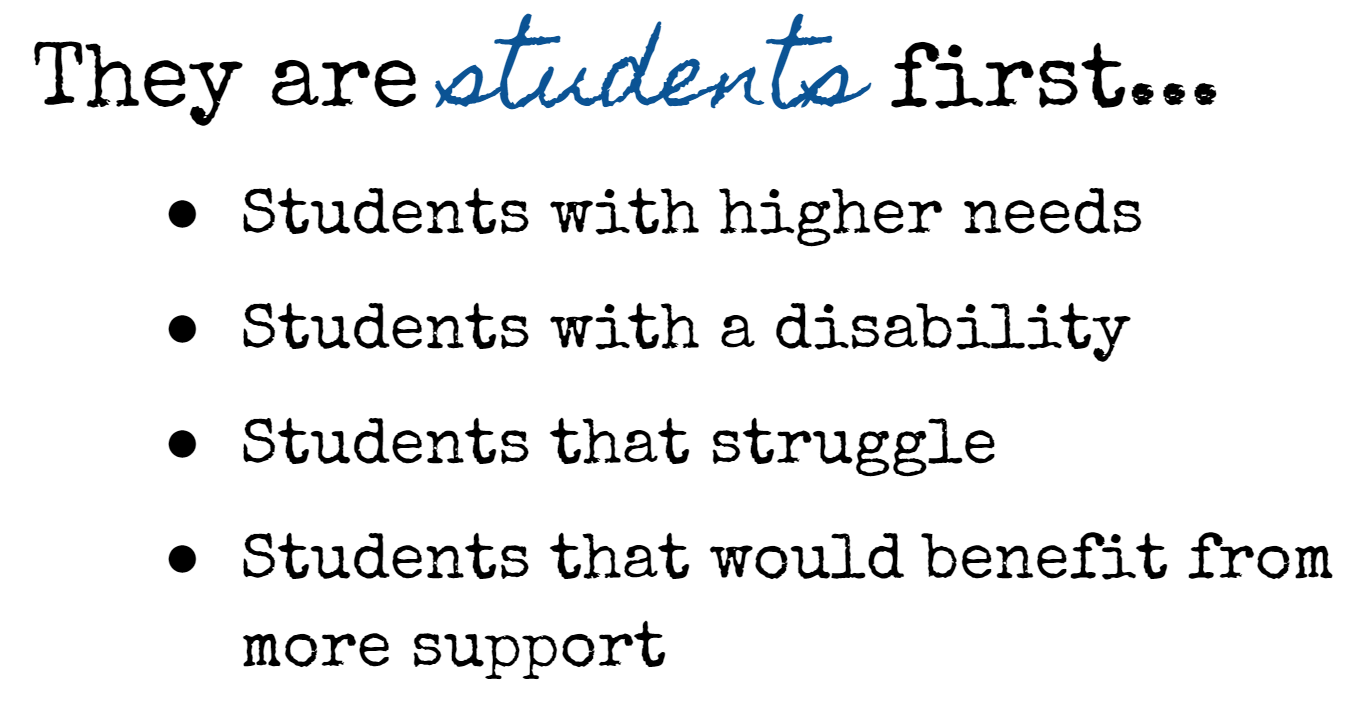
The first way we can give students with higher needs access to the math they deserve is to change the language that we use to talk to our students and how we talk about our students.  We need to stop labeling them and remember they are students first.
New Labels

When we think and speak about our students in a more positive light there’s something that changes inside of us.  We start to remember they are people.  That this student is someone’s baby.  We become far more patient, kind, and compassionate.  We’ll work a little harder and be more encouraging.  We’ll be more willing to give grace and we all know everyone can use a little more grace.

Words are Powerful

And since our words are powerful, what we say TO students and what we say ABOUT students matter.

Some students need to be reassure that they BELONG.  We can’t do that if we make them feel like they’re in the wrong class–like, they’re not good enough to be here or not smart enough to make it.  They need to know they are a vital member of our classroom and that they add value no one else can.  Our students struggle with anxiety and insecurities that we sometimes don’t even understand.  The way we speak to our students can make the biggest difference.  We can give students the strength and encouragement they need to push past whatever is holding them back so they can engage in the lesson and learn the math.  Some students need to be shown RESPECT to be motivated to do well.  They need to hear that they are valued, that their effort doesn’t go unnoticed, and that we respect them enough to meet them where they are.

Student Potential

We need to really see our students when they walk in the door…not their past mistakes or their disabilities…but each student’s potential to be the greatest student you ever have.

Increase Expectations Title

The next way that we suggest we can help students with higher needs access to the math they deserve is to keep high expectations.

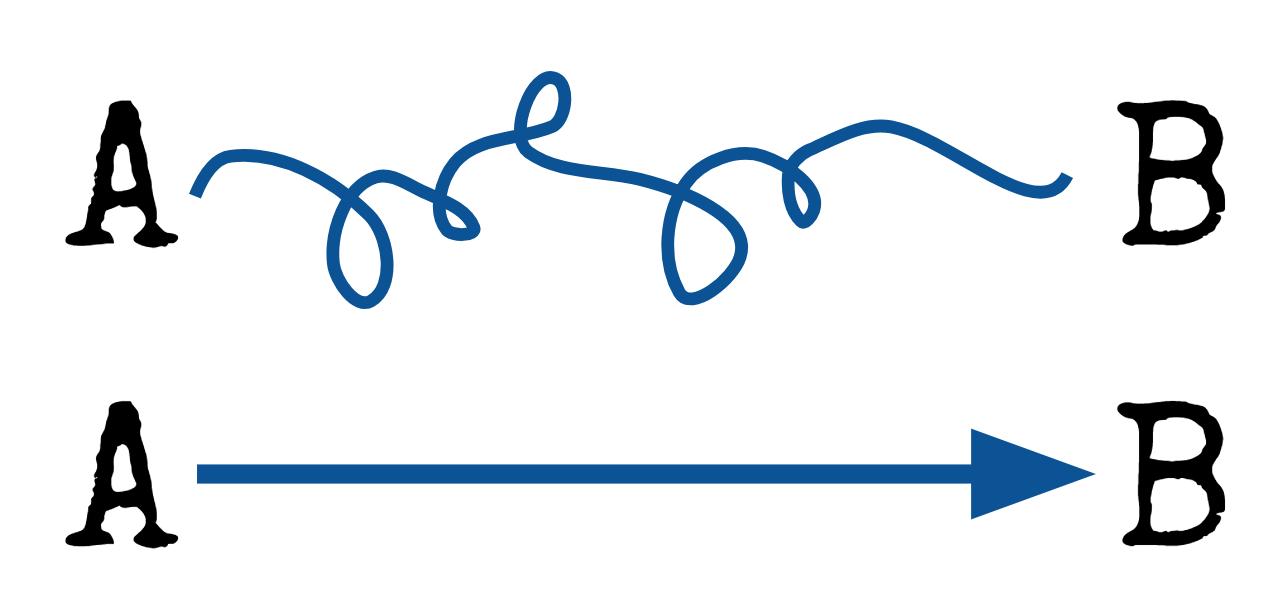
So, when we use that negative language two things are in play:  First, when we say a student “can’t” do math we start to think that it’s actually true.  Second, our actions and educational choices start to convince our students that they should believe it’s true too.  When we say a student “can’t”, we give ourselves permission to make things easier for them and we lower our expectations of them.

Laura's Quote

And I do believe we are trying to “help” or “support”.  And even though our hearts might be in the right place we stop challenging our students and we rarely give them opportunities to rise to the occasion,  In our efforts to help our students, our scaffolding turns into us reducing the rigor, lowering the DOK level, and making things easier for them.  When we say students “can’t” we take the wind out of our students’ sails by convincing them that they can’t do hard things…like math.  Let’s make sure that we are not part of the problem;  that we are not subtly influencing our students and undermining their ability by lowering expectations in an effort to “help” them.
A to B

And the scary part is that this happens in the background;  it’s subtle and so stealth.  We’re not announcing, for all to hear, that a particular student isn’t capable, it’s a subtle influence in the way we speak and act towards students that have higher needs.

Enhance Instruction Title

We had a really reflective and raw moment of clarity during my CMC session when I asked this question and asked teachers to share their responses:

What makes it hard.PNG

The responses were powerful;  what I realized is we needed a safe space to air out all our thoughts and feelings about what makes it challenging for us to teach students with higher needs.  Teachers needed an opportunity to admit what makes it difficult without the fear of judgement;  without the fear of appearing to not care or not have their students’ best interests at heart.  We all needed the chance to let it go.  And we did.  And if you were at my session thank you for that moment.  I encourage you to reflect and do the same.

So, with that said, we want to re-imagine what that support might look like.  One way is making some intentional additions or enhancements to your instruction.  Here’s a few ideas how to do that, and this is certainly not a comprehensive list, but a great start:

3 ways

What I hear from teachers most often is that students with higher needs lack prerequisite math skills and sometimes even basic math skills like number sense.  And what I hear most often from counselors and special education teachers is that students with higher needs take longer to process information and need extra time to let things sink in.

Juli Quote

So, instead we decide we’re stuck and we spend time practicing the prerequisite skills or basic skills in class that we end up not having time to do any cool math activities;  we reason that we just need to get them through the basics.  Or worse, we don’t even feel like we have time to practice those skills so we just press on and hope they get something from each lesson.  There is this constant tug of war between what we feel like we should do and what we would like to do.

Tug of War

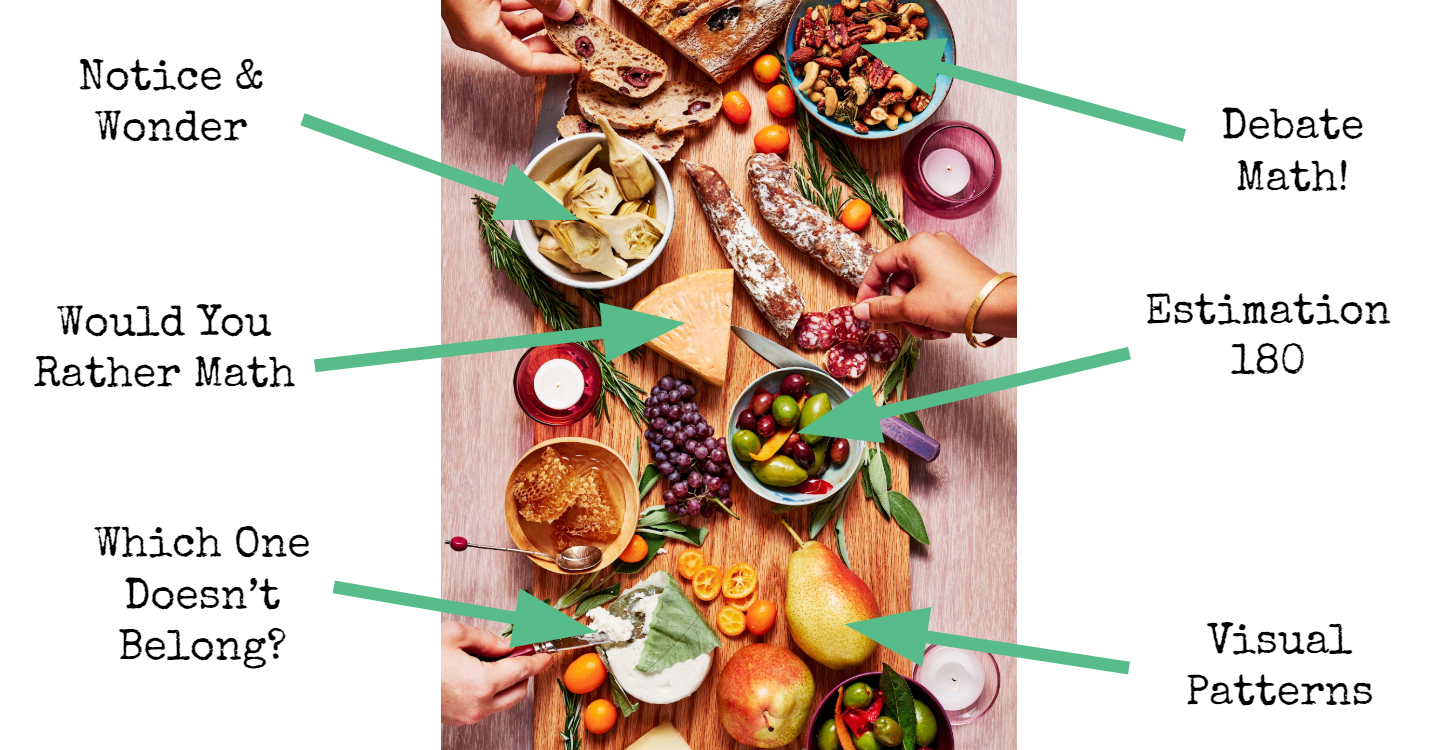
First, start class with what the Classroom Chef’s called Appetizers They’re essentially short activities that you do at the start of class to get them hungry for the lesson that is to come.  Think about what an appetizer does to you at the start of the meal;  it’s the same feeling we want to create for our students in our classes.  Here’s a few favorites of mine that I use in my classes.
Appetizers

My students were different on the days I did an Appetizer.  We started class more quickly and my students readily engaged in the lessons and activities I had planned for them.  And because these activities give students multiple entry points, all students can feel success at them.  One final solution wasn’t the goal;  communicating and thinking about math was.

Also, this is the perfect opportunity to build in those basic skills that we are always looking to practice but never seem to find the time in our busy pacing guides.  So, your students are struggling with percentages, throw in a Would You Rather? Math exercise.  If you wish your students had more practice writing linear equations, use a Visual Pattern to do that!  Or if you need your students to feel more comfortable speaking in class and sharing their ideas, try a Debate Math talking routine or a Which One Doesn’t Belong? exercise.
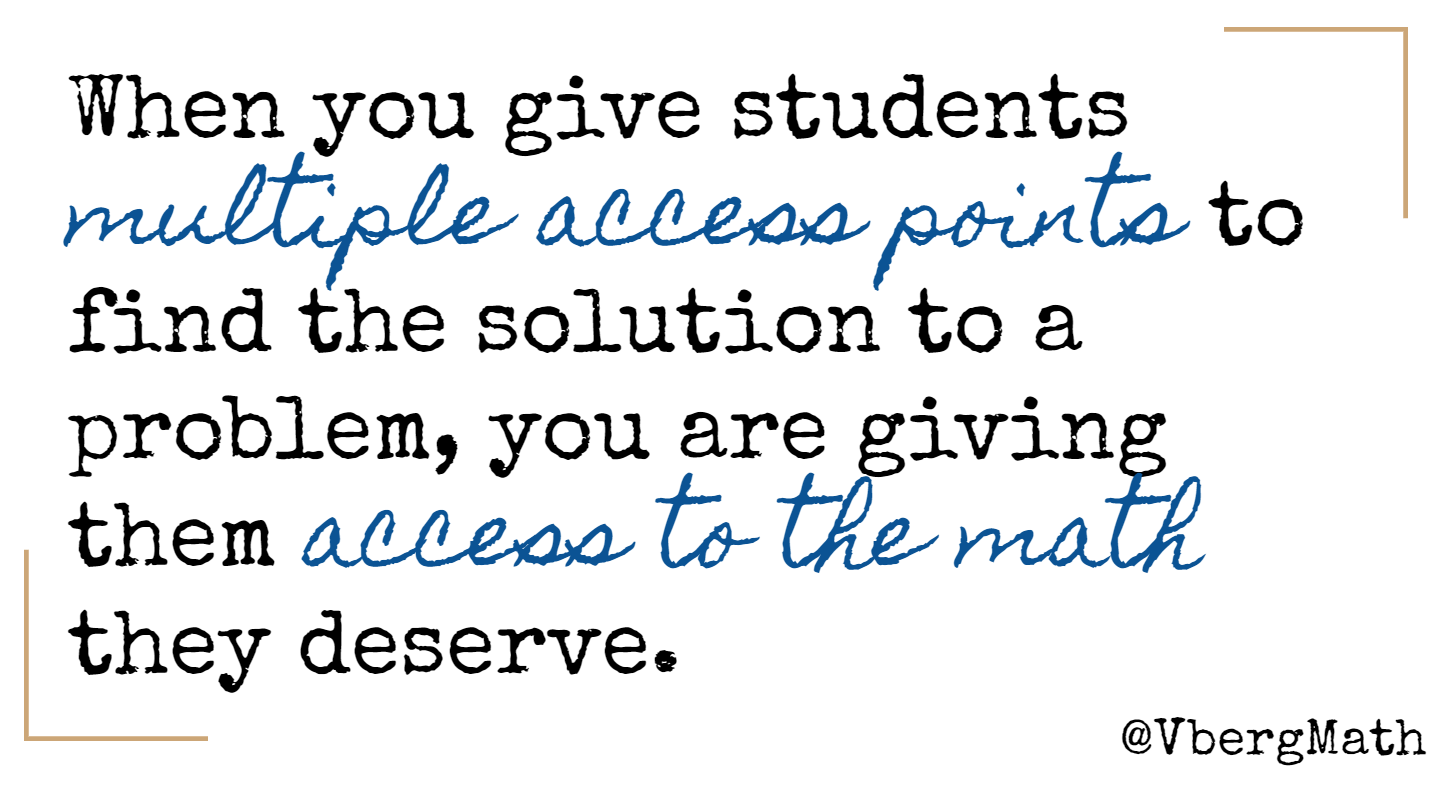
Twitter Quote

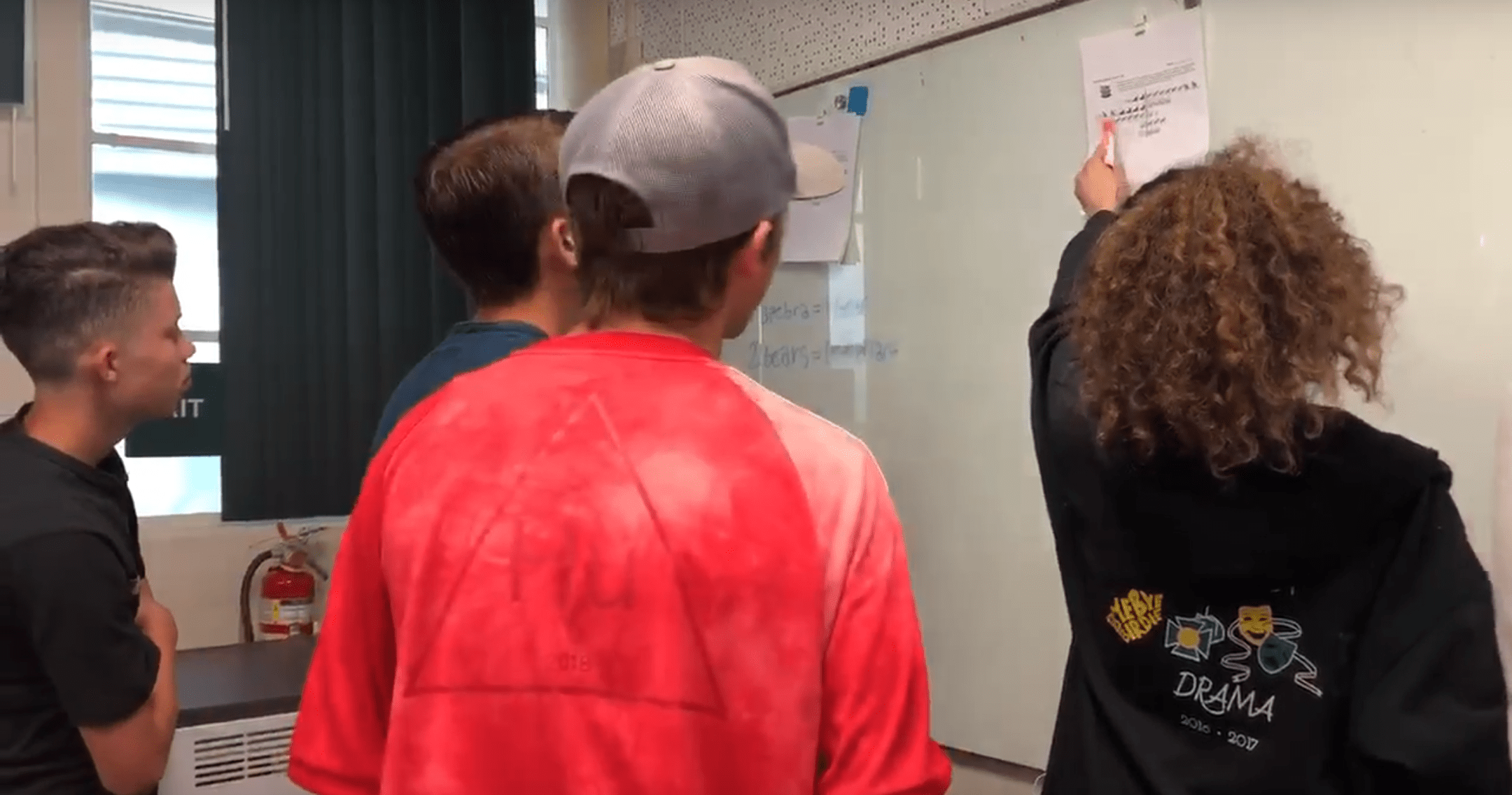
Second, get your students Up & Moving!  Many student with higher needs need the physical reset of their bodies to stay focused and motivated to learn.  Just a quick Google search on the benefits of movement will reveal to you how important it is to incorporate into any class, but especially classes that have students with higher needs.
Screenshot (4)

Thanks for sharing this photo of your students using the Vertical Non Permanent Surfaces (VNPS) in your classroom, @ClaireVerti

I have the pleasure of teaching math collaboratively thanks to the beautifully written educational program called College Preparatory Mathematics (CPM) and as a CPM Teacher Leader I have the opportunity to train other teachers amazing resources and skills to change classrooms into collaborative learning spaces.  Their Study Team Teaching Strategies are collaborative learning structures and many of them involve the kind of movement I’m suggesting we use.

Here’s a list of some of my favorite strategies, collected from the CPM Educational Program and the Math Twitter Blogosphere (#MTBoS), that allows us to incorporate more movement into our lessons.  Many of these don’t require a lot of prep work ahead of time and some can even be used on the fly when you notice your students dragging or starting to lose focus.

Third, use a Collaborative Closure activity to close the lesson.  So often our students are engaged in an amazing lesson that we thought we planned so well just to discover that nothing stuck.  Our students didn’t retain any information despite all our efforts to start with an appetizer and include movement.  We have to give students an opportunity to reflect on what they learned each day and allow them a chance to articulate that for themselves.

And I know, I get it…we barely have time to do the lesson that asking for one more thing almost seems impossible.  BUT…we also know that there are plenty of lessons we taught, and thought we taught well, that after assessing it was as if we never taught it at all!  So, it’s worth the pinch of time to make sure we give students a chance to summarize what they learned in class in a quick and collaborative way.  My challenge to us is STOP-DROP-CLOSE:  the last 10 minutes of class, set a timer if you have to, STOP teaching, DROP what you’re doing, and CLOSE the lesson.

Here’s a list of my favorite ways to do a Quick & Collaborative Closure.
3 points

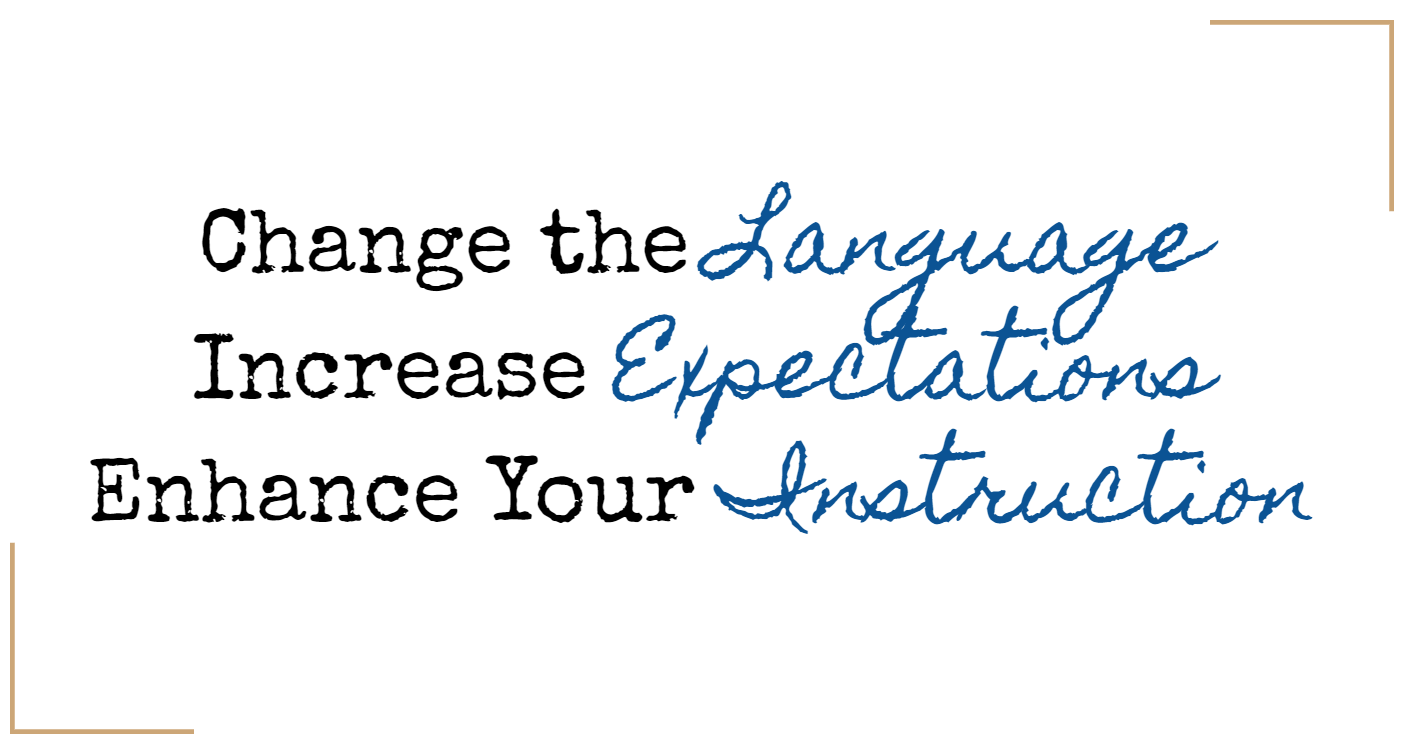
Changing the language, increasing our expectations, and enhancing our instruction are three ways we can begin to give students with higher needs access to the math they deserve.

I wonder how many students with higher needs you have in your classes?  For me, it’s the majority of my students because of the way my classes have been populated.  More than half of each of my classes are students with higher needs.  I’m forced to adjust and differentiate instruction accordingly.  But I know for most teachers there’s just a handful of students with higher needs.  Many schools spread these students out among all the teachers in an effort to even out the load and share the responsibility.  I’ve heard the term “balance the classes” used to describe this.

That all sounds fair and equitable until we start to think about a traditional classroom.

Bell Curve

At the end of the grading period educators, from teachers to administrators, are accustomed to the “bell curve” or grades…this normal distribution.  It is acceptable to us to have a handful of students that are not passing.  We can’t win them all, right?

I wonder how many of those students that are not passing, that are struggling, are students with higher needs and have we done *enough* to make sure that they didn’t land there just because everyone expected it?

Let’s do all we can to give all students, especially those with higher needs, access to the math they *deserve*.

~PV

The Most Wonderful Time of the [School] Year

A teacher LIT ME UP today and it was unnecessary and so awkward.

It’s the most wonderful time of the school year.  All of us are so exhausted and tired and overwhelmed and…testy.  Everyone’s on edge because of the stress of closing out the first semester that we lose our patience with each other.

Related image

I can only assume that this teacher was also tired and on edge and because of that she took out her frustration on me.  While this was a really negative interaction, that I do hope we can get past, I did learn a few things about myself.

To explain, let me share what happened:


Last year our district decided that we were going to move towards common assessments in lieu of benchmarks.  As teachers, we were thrilled at the idea that we wouldn’t have to give up class time to administer these extra standardized tests.

Well, it’s final exam season and as a Lead teacher I am responsible for working with my team to finalize the semester 1 final exam.  After discussing with everyone, and going back and forth with edits via email, we finalized the final exam.

The day before we were to administer the test one of our teachers asked if she could change one of the problems, just for her test, because she felt her students needed a different version of the problem.  She assured me it would cover the same standards as the original question.

I was quick to answer.  As she was explaining it to me it all sounded good.  It sounded logical;  she would be covering the same standard on her assessment as the original.  The math would be the same.  No big deal, right?

Me:  “Sure, that sounds fine.  No big deal.”

Teacher:  “Okay, are you sure?  You’re fine with me changing it?”

Me:  “Yeah, you’re covering the same math so it’s fine.  Go ahead!”

This conversation probably took a whole of 3 minutes.  When I got off the phone I immediately had a weird feeling about my decision.  While it all sounded very logical I started replaying other conversations I had the previous week, about this exact final exam, with our assistant principal (AP) that supervises the math department.

I remembered that our AP was not happy that our assessments were not the same.  You see, we had to write a separate final for another teacher on our team that is a chapter and a half behind the rest of us.  Even though it was obviously necessary for that teacher to have a different final, our AP was still not happy about it.  I realized that I probably spoke too soon and maybe it wasn’t the best idea to have authorized now technically a third version of the final exam.

So, I called the teacher back and explained all of this.  I explained that the intent is for us to have common assessments and if we continue to allow each other exceptions to the rule, however minor they are, we will never get to where the department is trying to go.  And because we had so much back and forth about this particular final with our AP, I expressed that we should run it by our AP first before she changed the final.

It did not go over well and that’s when our conversation went south (like, really south.)  I should note that this isn’t like her;  we have a great working relationship and I was floored by all of this.  Maybe it’s because she didn’t get her way, maybe it’s because I changed my mind and came across indecisive, maybe it doesn’t have anything to do with me or maybe it has everything to do with me.  In any case, that’s how it went and it was awkward.


So, what did I learn from all of this?

  1.  I’m so grateful to be a Lead teacher.  It’s a low-stakes, little leadership role in our department;  it’s a great opportunity for me to take risks and make mistakes, so that I can learn and grow.
  2.  I want my yes’s to mean yes and my no’s to mean no.  I don’t want to come across indecisive or give the impression that I’m not certain of the decisions that I make.  When I had to call back to change my mind, I wonder if it seemed like someone else influenced me after the fact and if that makes me appear to be easily persuaded.  I want to communicate that I’m confident in my decisions.
  3. I’m a people pleaser and, “yes,” sits on the tip of my tongue all the time.  For me, saying “no” feels like I’m shutting someone down.  I want to encourage creative ideas and make people feel validated.  I can accomplish that same thing, but also make confident and solid decisions, by saying the phrase, “Let me think about it and get back to you,” instead of an immediate, “Yes!”  I’m pretty good about looking at situations from all angles;  saying this phrase buys me the time I need to analyze something completely to make a sound decision.  I’m going to practice saying it so that phrase sits on the tip of my tongue at all times.

Eleanor Roosevelt

Eleanor Roosevelt had it right and I’ve got a lot to learn.

~PV~

A Seat at the Table: CMC South

This past weekend was the annual California Mathematics Council Southern Conference held in Palm Springs, CA.  It’s one of my favorite weekends of the year. Brilliant educators from all over the country converge to share strategies and inspiration with one another.  It’s an opportunity to connect with colleagues and discuss math – all the time.

This slideshow requires JavaScript.

One of the highlights of the weekend was a conversation I had with John Stevens.  He’s the one at the end of the table, pictured in a chef’s coat (here’s why). He’s a Math and Technology Coach in Southern California, an author, a husband and father, and an Edu-hero and Math-lebrity in the math community (although he’ll tell you no to that).  In short, he’s kind of a big deal.

Imagine my surprise when I discovered he would be joining us for lunch on Saturday afternoon.  We have a mutual friend and I tried to contain my inner fan girl when we walked to the restaurant together.

giphyJohn and I had an opportunity to connect as we waited for our friends to arrive for lunch.  We started off with some small talk about how we were enjoying the conference and what we were going to order for lunch.  He acknowledged that I had presented at the conference the day before and John’s next sentence began like this,

“Now that you [Patricia] have a seat at the table…”

…and I honestly don’t remember the end of this sentence because I think I blacked out a little…

I have a seat at the table?  I…have a seat at THE TABLE?

You see, I’ve been a teacher for 14 years and I have attended this conference almost every year for the last 12 years but this was the first time that I was brave enough to be a speaker.  I had the privilege of co-presenting a session with Matt Vaudrey (yes, theeeeeee Matt Vaudrey).  It was an amazing experience and it was affirming to get some positive feedback from several teachers that stayed after to ask questions and say such nice things.  

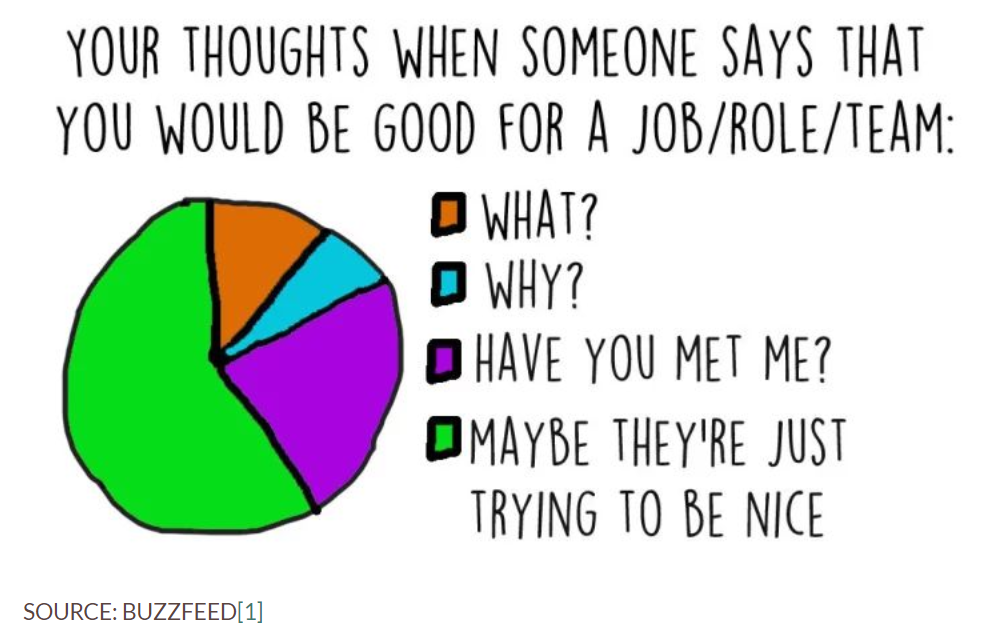
I shared with John that there’s a constant battle in my head when it comes to me sharing anything I’ve done in my classroom in a public forum.  On one shoulder there’s a little guy telling me that what I’m doing is awesome and I should share it with others and on the other shoulder there’s a different little guy telling me, “this is old news, everyone knows [insert whatever cool thing I’m doing here] so don’t embarrass yourself by thinking you have something to contribute.”  

Imposter Syndrome

John quickly stopped me, with a chuckle of disbelief at my statement, and reminded me that there is such a thing as “imposter syndrome,” and that I just needed to get over that because it’s holding me back.  John helped me to realize that it’s not always about sharing something new; it’s also just as valuable for teachers to hear how we’ve taken something we’ve learned and made it our own.

Y’all, this guy is the real deal.  He went on to share with me that he’s experienced times when he thought he had nothing else to share even after co-writing The Classroom Chef and writing Table Talk Math, the Would You Rather? site, and an extensive blog of really cool stuff.  I can’t thank him enough for the very real, humble, and encouraging conversation.  I really appreciated those few minutes with John and his affirmation that I have a seat at the table.  

I should also note that Matt Vaudrey has pulled up a chair for me at the table on more than one occasion and I’m blessed because of it:

Matt's Blog-we're the same

I’m glad I finally sat down.

I realized during this conference that there are so many talented teachers doing great things in their classrooms that make a big difference in the lives of their students.  We need to hear from them too;  their voices, their stories, their strategies so that we can all be better.  

And yes, someone may have already said [insert whatever cool thing you’re doing here] before…but not in the way you’ll say it and not in the way you’ve done it and not at the time that you’ll share it with others.  

I’m saving a seat for you.

~PV