I teach Integrated Math 1 and during a Team meeting we were looking for ways to start a new unit on modeling two-variable data. We knew we wanted the first lesson to set a positive tone for a new unit being introduced during a time of year when we are starting to get tired. Like, is it winter break yet?
This first lesson needed to:
- Remind students how to take data and transform it into a scatter plot
- Remind students how to describe the association of the scatter plot
- Review how to draw a line of best fit they feel best models the data and then write the equation of that line
- And most importantly (well, for me anyway) be fun and memorable for our students!
We are blessed to have a department of math teachers that happily collaborate and share their cool stuff so we immediately turned to our resident statistician, Ricky Yip. He teaches our AP Statistic classes and we had a feeling he had something good.
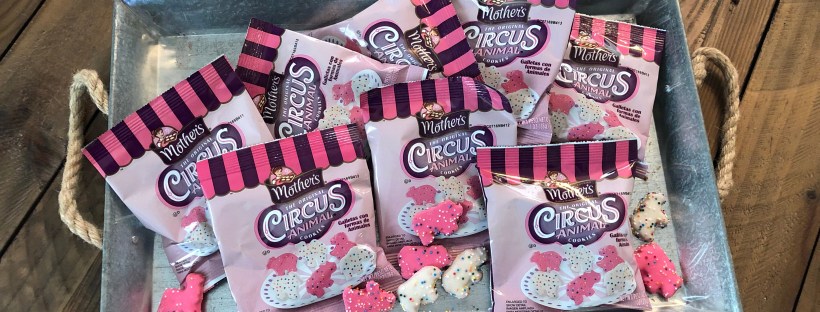
We were right! Ricky shared with us that he uses Circus Animal Cookies for a similar lesson. Our team took his idea and ran with it. We built a lesson around our students working collaboratively to collect data and discover the math.
Here’s how the lesson goes:
We start with students sitting in teams of 4 and we give each student a small, snack sized bag of Circus Animal Cookies. Already, we are off to a great start because who doesn’t love cookies?

Problem #1: Students are asked to examine their bag of Circus Animal Cookies and predict how many cookies they have and how many pink versus white cookies are in their bag. Then they get to open their bag of cookies and see if their prediction was correct!
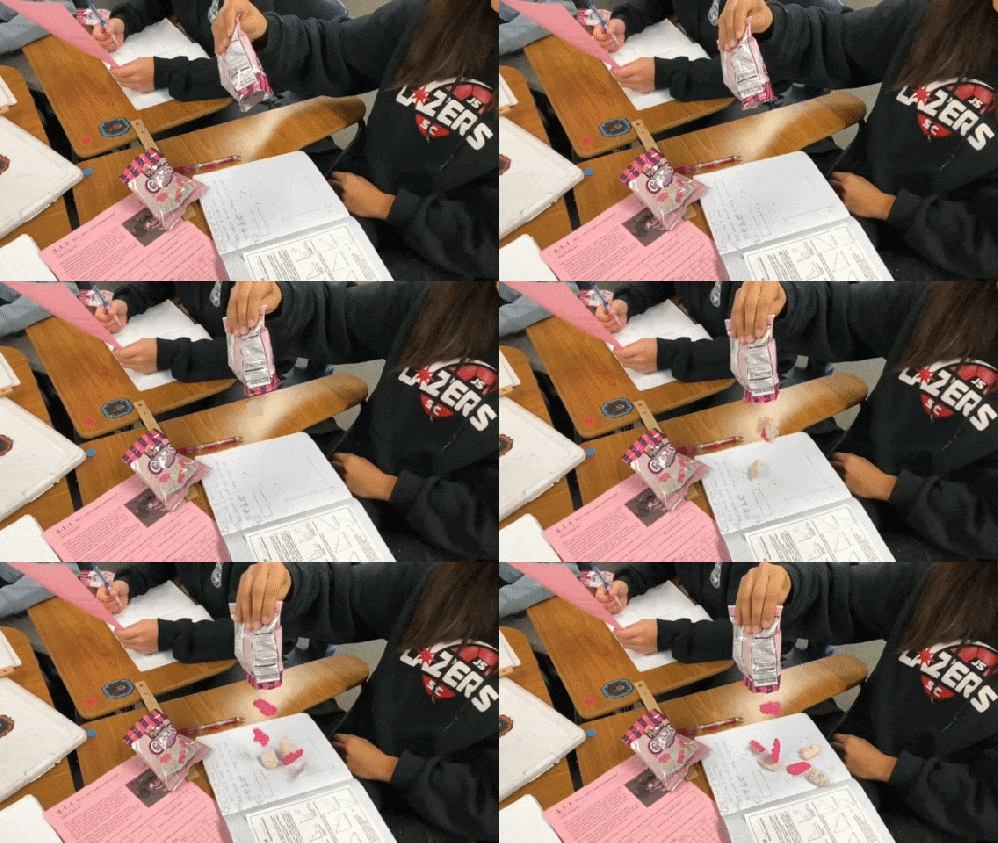
Problem #2: After each member of their team has recorded their data (pink versus white cookies) students represent their data on a dot plot. My colleague, Adam Varnes, took this opportunity to bring up students’ work to display and discuss domain and range of the data.

Problem #3: At this time students are instructed to collect data from all the other teams in the room. In my class, I have 9 teams, and each student has a role. Each team has a Reporter so I asked each of them to write their team’s data on the board for all to copy. Students take the class data and create a scatter plot.

Problem #4: This problem gives an opportunity for students to review how to describe the association of a graph: form, direction, strength, and outliers. After describing our Circus Animal Cookie scatter plot, students realize that the data could be modeled with a line. Students draw a best fit line and share their strategies with how to draw it with the class. Students are asked to explain what the slope and y-intercept represented in the context of this problem and then write the equation of the best fit line.


Closure: We wrap up the lesson with a Whiparound. I ask each team of students to share one thing they learned today with the class. When I call on their team, the Reporter is the one who shares for the team. Students aren’t allowed repeats so they must share something new. As they share, I compose a list on the board of their responses; making sure to focus the discussion on how to describe the association of the scatter plot and how to find the equation of the best fit line.
If you’re interested in running this lesson, here’s the handout we gave to our students: Circus Animal Cookies Lesson I’d love to hear about how the lesson went for you and what improvements you made!
We are so pleased with this lesson and how well our students responded to it! In fact, there were several times during class that I thought my students were off task because they seemed to be enjoying themselves too much! Much to my delight, when I questioned them on their work they answered both correctly and with confidence.
A fun and memorable lesson for our students—check!
~PV~
 Patricia Vandenberg